
Unveiling the Core of Interior Design Principles
When I first stepped into the world of interior design, I was captivated by how spaces could tell stories. Every corner, every texture, every colour had a voice. It was not just about decorating a room; it was about creating an experience that resonates deeply with those who live within it. Today, I want to take you on a journey to unveil the core of interior design principles - the very foundation that transforms ordinary spaces into extraordinary sanctuaries.
Understanding Interior Design Principles: The Heartbeat of Every Space
Interior design principles are the guiding stars that help us shape environments that feel both beautiful and functional. They are the invisible threads weaving harmony, balance, and rhythm into every room. These principles are not rigid rules but rather flexible guidelines that invite creativity and personal expression.
Let’s explore some of the essential interior design principles that I find truly transformative:
Balance: Achieving visual equilibrium by distributing elements evenly. This can be symmetrical, asymmetrical, or radial.
Harmony and Unity: Creating a cohesive look where all parts feel connected and purposeful.
Rhythm: Establishing a flow through repetition, progression, or contrast to guide the eye smoothly.
Scale and Proportion: Ensuring objects relate well to each other and the space, avoiding awkwardness.
Emphasis: Highlighting a focal point that draws attention and anchors the room.
Functionality: Designing spaces that are not only beautiful but also practical and comfortable.
By embracing these principles, we can craft interiors that are not only visually stunning but also deeply personal and inviting.

The Role of Personalization in Interior Design Principles
One of the most rewarding aspects of interior design is the ability to infuse personality into a space. Personalization breathes life into design principles, making them uniquely yours. It’s about reflecting your tastes, memories, and lifestyle in every detail.
Imagine a living room where the colours echo your favourite sunset hues, or a study where the lighting perfectly suits your reading habits. These thoughtful touches elevate a room from a mere space to a sanctuary.
To personalize effectively, consider these actionable steps:
Identify Your Style: Are you drawn to minimalist elegance, rustic charm, or eclectic vibrancy? Knowing your style helps guide design choices.
Incorporate Meaningful Elements: Use artwork, heirlooms, or travel souvenirs that tell your story.
Play with Textures and Colours: Mix soft fabrics with sleek surfaces, warm tones with cool accents to create depth.
Prioritize Comfort and Function: Choose furniture and layouts that support your daily routines and comfort.
By weaving these elements into the core design principles, your space becomes a true reflection of who you are.
The Influence of Light and Space in Interior Design Principles
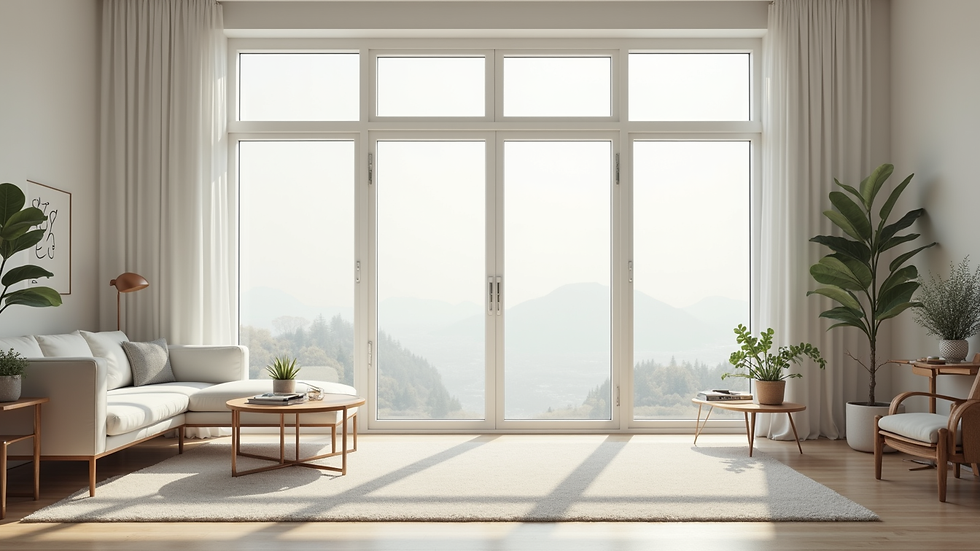
Light and space are the silent heroes of interior design. They shape how we perceive and interact with our surroundings. Natural light breathes vitality into a room, while artificial lighting can sculpt mood and focus.
Maximizing space is equally crucial. A well-planned layout enhances flow and usability, making even small rooms feel expansive and welcoming.
Here are some practical tips to harness light and space effectively:
Use Mirrors Strategically: They reflect light and create an illusion of depth.
Opt for Light Colours on Walls: These amplify natural light and open up the room.
Layer Lighting: Combine ambient, task, and accent lighting for versatility.
Choose Multi-functional Furniture: Pieces that serve more than one purpose save space and add interest.
Keep Pathways Clear: Ensure easy movement to maintain a sense of openness.
By thoughtfully balancing light and space, you invite warmth and freedom into your home, making every moment spent there more enjoyable.
How Jitendra Mewada Design Philosophy Shapes Unique Interiors
In my journey, I have come across many design philosophies, but one that truly resonates is the jitendra mewada design philosophy. It beautifully encapsulates the essence of personalized, high-end interior design that transforms spaces into unique masterpieces.
This philosophy emphasizes:
Client-Centric Approach: Every design begins with understanding the client’s personality, preferences, and lifestyle.
Innovative Creativity: Pushing boundaries to create fresh, inspiring environments.
Attention to Detail: From the choice of materials to the smallest decorative element, nothing is overlooked.
Sustainability and Functionality: Designing spaces that are not only elegant but also eco-friendly and practical.
By integrating these values, the philosophy ensures that each project is a harmonious blend of art and utility, tailored to elevate everyday living.
Practical Tips to Apply Interior Design Principles in Your Home
Now that we’ve explored the core principles and the importance of personalization, let’s look at some practical ways you can apply these ideas to your own home:
Start with a Mood Board: Collect images, colours, and textures that inspire you. This visual guide keeps your design focused.
Choose a Colour Palette: Limit your palette to 3-5 colours to maintain harmony.
Invest in Key Pieces: Select a few high-quality furniture items that anchor the room.
Mix Old and New: Blend vintage finds with modern pieces for character.
Add Layers of Texture: Use rugs, cushions, curtains, and throws to create warmth.
Create Focal Points: Whether it’s a statement artwork or a unique light fixture, give the eye a place to rest.
Keep It Functional: Arrange furniture to support your lifestyle and ensure comfort.
Don’t Forget Lighting: Use a combination of natural and artificial light to enhance mood and usability.
By following these steps, you can confidently design a space that feels both luxurious and deeply personal.
Embracing the Journey of Design Discovery
Design is a journey, not a destination. It’s about exploring what makes you feel at home and expressing that through your surroundings. As you embrace the core interior design principles, remember to be patient and open to experimentation.
Every choice you make, from the colours on your walls to the arrangement of your furniture, is a step towards creating a space that truly belongs to you. Let your home be a canvas where your personality shines, where comfort meets elegance, and where every detail tells a story.
I invite you to take this journey with warmth and curiosity, knowing that the core of design philosophy is about making your space a reflection of your unique self.
Thank you for joining me in unveiling the heart of interior design principles. May your home become a masterpiece of comfort, beauty, and personal expression.


Comments